
Package FB I
-56 %
Package FB II
-33 %
Package FB III
-35 %Package FB IV
-20 %You’ve spent hours crafting the perfect post for your business page, hit "Publish," and then… silence. No likes, no comments, and certainly no new customers. In an era where organic reach on Facebook is hovering around 5%, many business owners feel tempted to take the "shortcut" of buying likes. However, fake engagement is a digital death sentence for your brand’s credibility and algorithm ranking. The real challenge is: how do you get real people to hit that like button quickly and consistently?
At ASOLeapedia, we specialize in helping brands navigate the complexities of digital visibility. We know that likes are more than just vanity metrics; they are signals to the Facebook algorithm that your content is valuable, which in turn expands your reach to even more potential customers. This guide will walk you through the exact strategies used by top-performing brands to skyrocket their Facebook engagement organically and ethically.
To quickly increase Facebook post likes organically, focus on high-retention video content (Reels), post during peak activity hours specific to your audience, and use "engagement hooks" that prompt immediate comments. For businesses looking for a managed approach, professional services like those offered at ASOLeapedia can provide the strategic boost needed to scale engagement without the trial and error of DIY management.
Facebook engagement refers to any action a user takes on your post—likes, shares, comments, and clicks. While it’s easy to focus on the number of likes, the quality of those likes matters more. Real engagement comes from actual human beings who are interested in your brand, whereas fake engagement comes from "click farms" or automated bots.
According to Social Media Examiner, fake engagement can lead to "shadowbanning" or the permanent suspension of your business page, as it violates Facebook’s Community Standards on Inauthentic Behavior.
| Strategy | Speed | Cost | Long-term Value | Risk Level |
|---|---|---|---|---|
| Organic Growth | Slow to Moderate | $0 (Time only) | Very High | Zero |
| Targeted Ads | Very Fast | Scalable ($$) | High | Zero |
| Buying Fake Likes | Instant | Low ($) | Negative | Extremely High |
Not all content is created equal. To get more likes, you need to post things that provoke an emotional or intellectual reaction. If a user feels nothing, they won't interact.
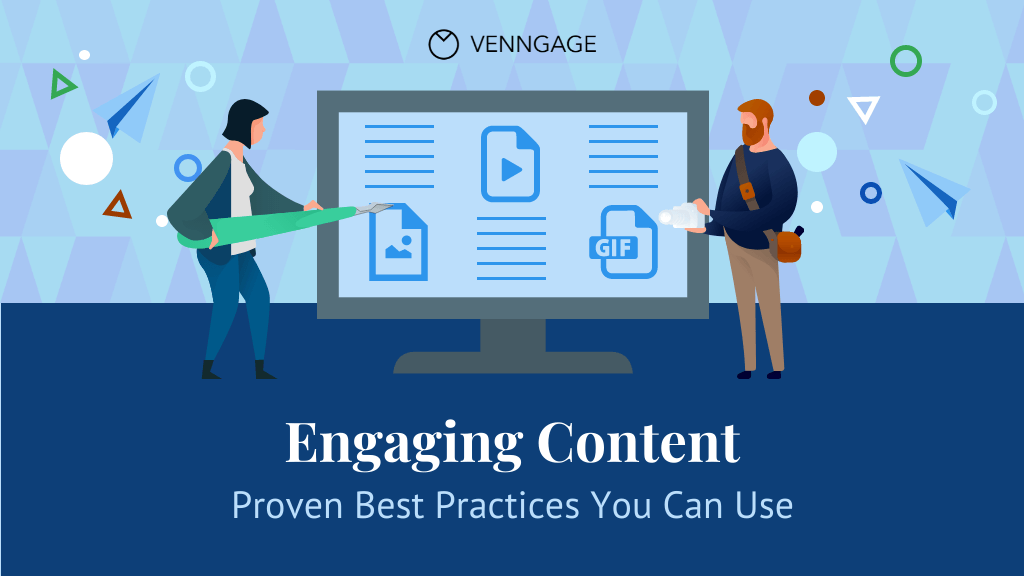
Currently, Facebook is heavily prioritizing Reels to compete with TikTok. Because Reels are shown to people who don't follow you yet, they are the fastest way to get likes from a new audience. Use trending audio, keep videos under 30 seconds, and ensure the first 3 seconds are visually arresting.
People love to share their opinions. Instead of saying "We have a new product," ask "Which color should we launch next: Midnight Blue or Forest Green?" This forces a micro-interaction that often leads to a like as well.
When you share a photo of a customer using your product, you aren't just posting content; you're providing social proof. The customer is likely to like and share it, and their friends will often follow suit. ASOLeapedia recommends incorporating UGC into your weekly content pillar to build community trust.
"The most effective content doesn't ask for a like; it earns it by providing immediate value, whether that's through entertainment, education, or emotional resonance." — Sarah Jenkins, Social Media Strategist
If you post when your audience is asleep, your content will sink to the bottom of the feed before anyone sees it. To find your "Golden Window," you must analyze your specific data.
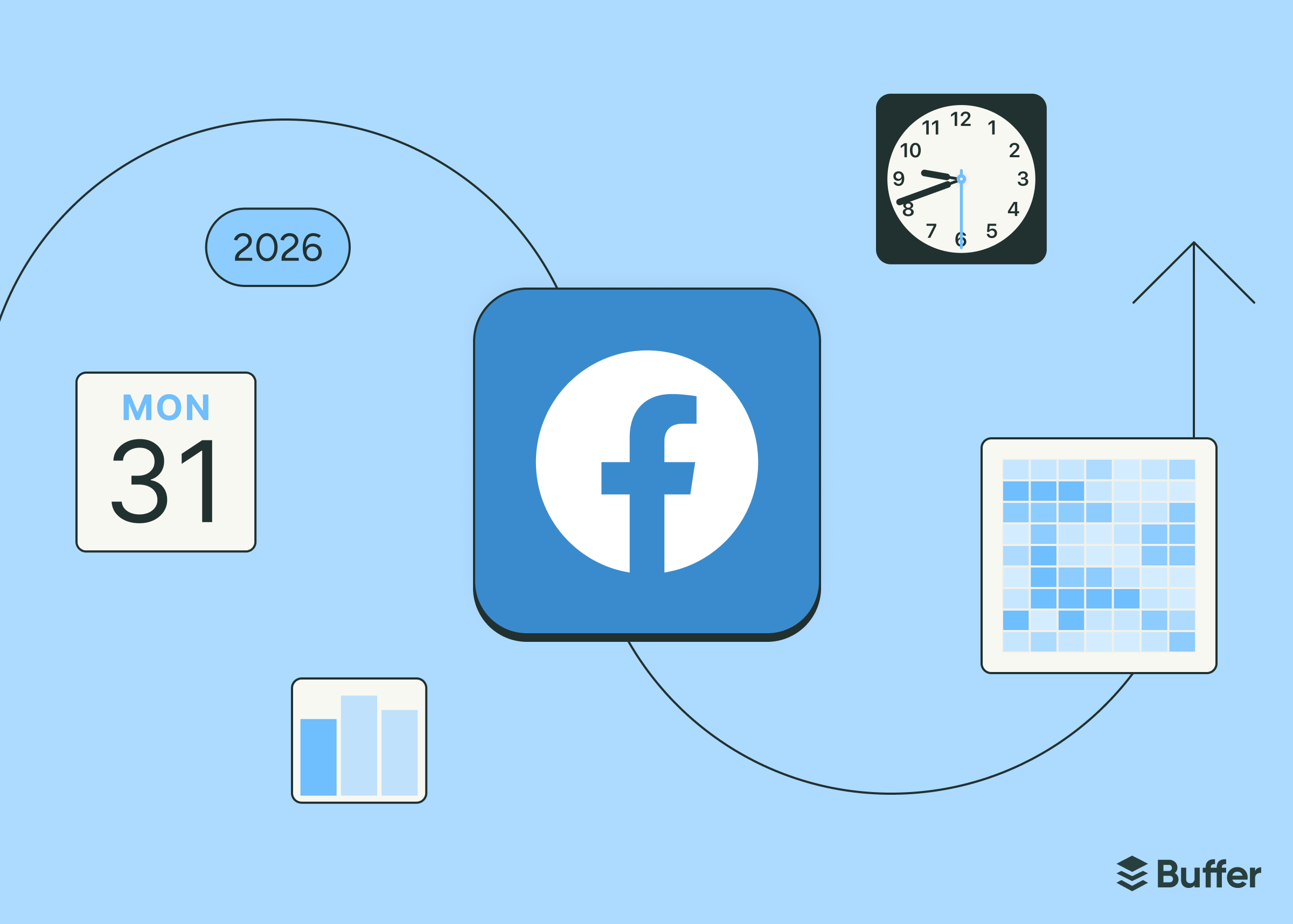
Generally, for B2B businesses, Tuesday through Thursday mornings are peak times. For B2C and ecommerce, evenings and weekends often see higher engagement. However, don't just follow general trends—trust your own data.
A great image with a boring caption is a wasted opportunity. Your caption should tell a story and end with a clear instruction.
Start with a "Hook" (a question or bold statement), follow with "Value" (the meat of the post), and end with the "CTA." For service-based businesses, rewriting captions to focus on the transformation you provide rather than the features of your service is key to getting more likes and inquiries.
When launching a new product, you need momentum. Don't just post one photo on launch day. Build a "Hype Cycle."
For ecommerce brands, linking your Facebook Shop to your posts allows users to browse while they engage, creating a seamless path from "Like" to "Buy."
If you run a local bakery or a landscaping service, 1,000 likes from across the globe are useless. You need likes from your neighbors. To achieve this:
If you have a small budget, Facebook Ads are the most reliable way to "buy" engagement legally. Instead of buying fake likes, you are paying Facebook to show your content to real people who are likely to be interested.
When setting up an ad in Meta Ads Manager, choose the "Engagement" objective. This tells the algorithm to specifically find people who have a history of liking and commenting on posts. You can target people by interest, age, and location, ensuring every like comes from a potential lead.
For brands looking to scale quickly, ASOLeapedia provides consulting on how to align your ad creative with your organic brand voice to ensure a seamless user experience.
Giveaways can generate hundreds of likes in a few hours, but you must follow Facebook's rules to avoid being penalized.
Facebook Groups often have much higher engagement rates than Business Pages. However, you cannot "like" a post as a business page within many groups. The strategy here is to share your Page's post into a Group where you are an active member.
Pro Tip: Don't just share the link. Write a personalized intro for the group explaining why this post is relevant to them. For example: "Hey fellow entrepreneurs, I just shared a breakdown of the new tax laws on my page that might help you save money this quarter. Hope it helps!"
"Data without action is just noise. If you see that your 'How-to' videos get 3x more likes than your 'Sales' posts, stop making sales posts and start making more tutorials." — ASOLeapedia Content Team
Yes, but use it sparingly. If every post asks for a like, the algorithm may flag it as "engagement bait." It is better to ask a question that naturally leads to engagement or use a CTA on every third or fourth post.
Facebook prioritizes content from friends and family. To break through, your content must be highly engaging. If your followers don't interact with your posts, Facebook stops showing your content to them. You need to "re-warm" your audience with high-value, non-salesy content.
For most small businesses, once per day is the "sweet spot." Quality is far more important than quantity. Posting three mediocre updates is less effective than one high-quality post that generates significant discussion.
Unlike Instagram, hashtags on Facebook have a limited impact. Stick to 1-3 relevant hashtags per post. Overloading your post with hashtags can actually make it look like spam and decrease engagement.
For likes and quick engagement, shorter is better (15-60 seconds). For building deep authority and "shares," longer-form live videos (10+ minutes) can be very effective as they allow for real-time interaction.
Increasing Facebook post likes isn't about "gaming" the system; it's about understanding what your audience values and delivering it consistently. By focusing on authentic content, leveraging the power of Reels, and using strategic paid boosts, you can build a thriving community that supports your business goals. Remember, 50 likes from potential customers are worth more than 50,000 likes from bots.
Ready to take your digital presence to the next level? Visit ASOLeapedia today for more expert insights on growing your brand, optimizing your visibility, and mastering the ever-changing world of social media marketing.
Stop letting the algorithm win.
Place your order today or get started with a 100% free trial. Focus on creating awesome content and we’ll do the rest.
Start now


